
International Shipping and Transport Logistics: A Guide to Global Freight
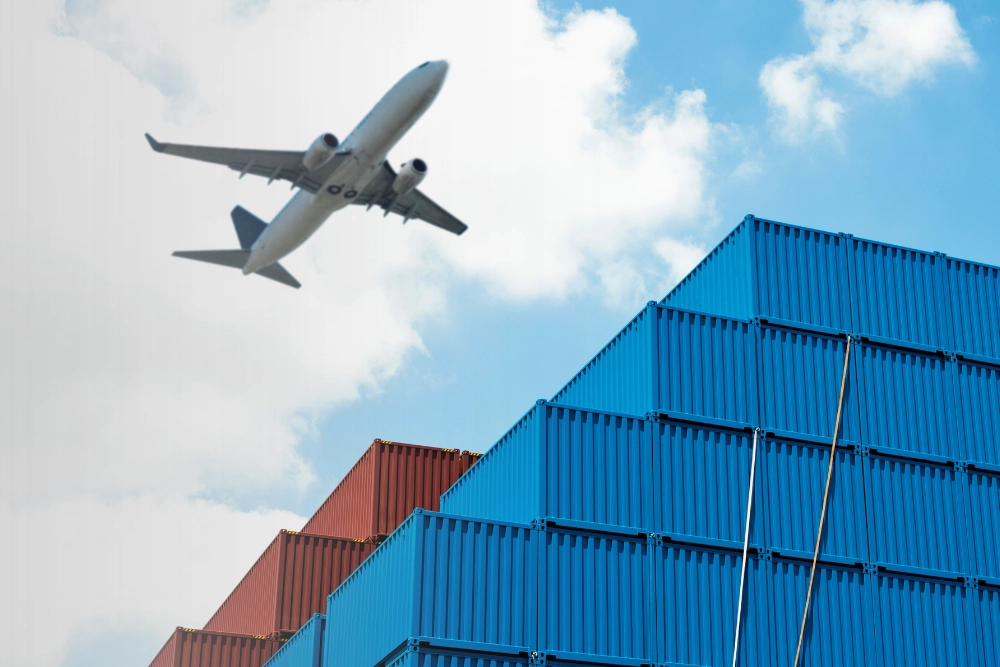
International freight involves more than selecting a transportation method to move goods between countries. A single shipment may pass through trucks, ports, airports, terminals, and multiple transportation providers before reaching its final destination. Coordinating these activities is a fundamental component of international shipping and transport logistics.
For businesses managing global shipments, transportation planning requires evaluating delivery timelines, shipment dimensions, cargo characteristics, destination requirements, and available transportation modes. Understanding how these factors interact helps organizations make informed logistics decisions.
Our international air and ocean freight services support businesses that require coordinated transportation solutions for international shipments.
This guide examines how international freight transportation works, the roles of air and ocean shipping, and the key considerations involved in developing an effective global transportation strategy.
What Is International Shipping and Transport Logistics?
International shipping logistics involves planning, coordinating, and managing the movement of goods across national borders.
Unlike domestic transportation, international freight frequently involves multiple transportation stages, service providers, and regulatory requirements. Cargo may travel by truck from its origin to an airport or seaport, continue internationally by air or ocean, and require additional inland transportation after arriving in the destination country.
Transportation logistics coordinates these individual activities within a broader shipping strategy.
Depending on the shipment, international logistics management may include:
- Selecting appropriate transportation modes
- Coordinating freight pickup and delivery
- Evaluating transportation routes
- Managing freight transfers between facilities
- Preparing and coordinating shipping documentation
- Monitoring shipment movement and tracking information
- Managing transportation schedules
- Coordinating carriers and logistics providers
The primary objective is to establish a transportation strategy that aligns with shipment characteristics, destination requirements, delivery timelines, and overall supply chain operations.
How Does International Freight Shipping Work?
International freight shipping generally involves several transportation stages between the original shipping location and the final recipient.
The specific process depends on the countries involved, transportation mode, cargo characteristics, and shipment requirements.
Shipment Planning
The international shipping process begins with an assessment of the shipment and its transportation requirements.
Important considerations include:
- Origin and destination locations
- Shipment dimensions and total weight
- Commodity type and cargo characteristics
- Required delivery timeline
- Transportation budget
- Special handling requirements
- Availability of air and ocean transportation
These factors help determine which transportation options are appropriate for the shipment.
Pickup and Origin Transportation
Before international transportation begins, freight must reach the appropriate departure facility.
Depending on the shipment, cargo may be transported by truck to an airport, seaport, terminal, or freight consolidation facility.
This initial movement is commonly referred to as the first mile.
For shipments requiring dedicated ground transportation to a departure facility, full truckload shipping services may be considered based on shipment volume, equipment requirements, and transportation schedules.
Coordinating origin transportation with international departure schedules helps reduce unnecessary delays and improve shipment continuity.
International Transportation
The international portion of a shipment may be completed through air or ocean transportation.
Air freight generally offers shorter transit times and may be appropriate for shipments with strict delivery requirements.
Ocean freight accommodates containerized cargo and larger freight volumes transported across international shipping routes.
The appropriate transportation method depends on shipment characteristics, required arrival dates, and overall logistics priorities.
Destination Transportation
After arriving in the destination country and completing applicable import and customs procedures, cargo must be transported to its final receiving location.
This stage may involve truck transportation from a port, airport, terminal, or distribution facility to a warehouse, business location, or distribution center.
Coordinating destination transportation is essential to maintaining continuity between international arrival and final delivery.
Air Freight in International Transportation
Air freight involves transporting cargo between airports using aircraft. It is commonly considered when delivery timelines are a significant operational priority.
Because aircraft can transport shipments across long distances within relatively short periods, air freight may be appropriate when ocean transportation cannot accommodate the required delivery schedule.
Businesses may consider air freight for:
- Time-sensitive international shipments
- Smaller freight shipments
- High-priority commercial goods
- Replacement parts and critical components
- Inventory required within shorter delivery windows
- Shipments where extended transit times could disrupt supply chain operations
However, air freight is not necessarily the most appropriate solution for every shipment.
Cargo dimensions, total weight, commodity restrictions, route availability, handling requirements, and delivery expectations must be evaluated.
For businesses comparing transportation timelines, understanding the differences between expedited and standard shipping can provide additional guidance on selecting freight services according to operational priorities.
Ocean Freight in Global Shipping
Ocean freight involves transporting commercial cargo internationally by vessel and remains an important transportation method for global supply chains.
It is particularly suitable for containerized shipments, larger freight volumes, and cargo that can accommodate longer transportation timelines.
Businesses may consider ocean transportation for:
- Containerized commercial freight
- Large-volume shipments
- Recurring international inventory movements
- Freight without immediate delivery requirements
- Shipments with transportation schedules that allow for longer transit periods
Ocean freight requires coordination across multiple operational activities, including port schedules, terminal handling, documentation, customs procedures, and inland transportation.
Businesses must also consider how cargo will move between inland facilities and the departure or arrival ports.
For organizations evaluating transportation methods that combine different freight networks, our article on how different industries use intermodal transportation explains how rail and truck transportation can support broader supply chain operations.
Although international ocean freight and domestic intermodal transportation serve different purposes, both demonstrate the importance of coordinating multiple transportation stages.
What Factors Affect International Transportation Logistics?
International freight transportation involves several interconnected operational considerations.
Evaluating these factors helps businesses establish transportation strategies that align with their supply chain requirements.
Origin and Destination
The availability of transportation options depends significantly on the shipment's origin and destination.
Access to international airports, seaports, freight terminals, and inland transportation networks can influence routing decisions and transportation availability.
Freight Size and Weight
Shipment dimensions and weight affect transportation mode selection, equipment requirements, and cargo handling procedures.
Smaller shipments with strict delivery requirements may be better suited to air transportation, while larger containerized shipments may be more appropriate for ocean freight.
Transit Requirements
Delivery requirements are a major consideration when selecting international transportation methods.
Businesses should establish realistic arrival expectations based on operational needs, inventory availability, and customer commitments.
Selecting a transportation method solely based on speed may not provide the most appropriate overall logistics solution.
Cargo Characteristics
Commodity type, packaging, dimensions, and handling requirements can influence transportation planning.
Certain products may require specialized handling, additional documentation, or transportation arrangements appropriate to their characteristics.
These requirements should be evaluated before confirming the shipping strategy.
Transportation Connections
International shipments frequently require domestic or regional transportation before and after the international portion of the journey.
Coordinating trucking services, terminal transfers, and final delivery arrangements is necessary to maintain shipment continuity.
Effective planning considers the entire transportation process rather than treating individual shipment stages as separate activities.
Why Transportation Planning Matters for Global Freight
International freight transportation consists of multiple activities that must operate within a coordinated schedule.
A delay during origin pickup may affect an international departure. Inadequate destination transportation arrangements may result in cargo remaining at a terminal after arrival. Selecting an unsuitable transportation mode may also create unnecessary disruptions to inventory planning.
Effective international shipping and transport logistics evaluates these activities as part of a complete transportation strategy.
Businesses should establish a clear understanding of:
- Shipment origin and final destination
- Required arrival dates
- Available transportation modes
- Connections between transportation stages
- Applicable documentation requirements
- Cargo handling considerations
- Inventory and supply chain dependencies
This coordinated approach is particularly valuable for organizations managing recurring international shipments, multiple transportation providers, or complex distribution requirements.
For time-sensitive domestic transportation connections, expedited freight shipping services may provide additional options when standard transit schedules cannot accommodate critical shipment deadlines.
How Does a 3PL Support International Shipping?
A third-party logistics provider, commonly referred to as a 3PL, assists businesses with evaluating and coordinating transportation activities.
Rather than focusing exclusively on a single transportation stage, a 3PL can help businesses consider how different transportation modes and service providers fit within a complete shipping strategy.
For example, an international shipment may require:
- Domestic transportation from the shipping location to the departure facility
- International air or ocean transportation
- Coordination of applicable customs and import procedures
- Inland transportation from the arrival facility to the final destination
Each stage must be coordinated according to shipment requirements and transportation availability.
For businesses managing multiple transportation modes, managed transportation services can support carrier selection, shipment coordination, transportation performance monitoring, and broader freight management activities.
An integrated transportation approach provides businesses with greater visibility into how individual shipments contribute to overall supply chain performance.
Building an International Freight Strategy
International transportation requirements vary according to shipment characteristics, destinations, and business priorities.
Developing an effective freight strategy begins with evaluating the specific requirements of each shipment.
Businesses should consider the following questions:
- What commodities are being transported?
- What is the shipment's total weight and volume?
- Where does the shipment originate?
- What is the final delivery destination?
- When must the shipment arrive?
- Which transportation modes are available?
- What transportation arrangements are required before and after international transit?
- How does the shipment affect inventory management and other supply chain activities?
Answering these questions helps businesses evaluate available transportation options and determine whether air freight, ocean freight, or a combination of services is appropriate.
Organizations managing recurring international shipments should also review their transportation strategies periodically.
Changes in shipment volumes, destinations, operational requirements, and supply chain priorities may influence which transportation solutions are most suitable.
International Air and Ocean Freight With Logistics-Now
International freight transportation requires coordination across multiple stages, transportation networks, and service providers.
At Logistics-Now, we help businesses evaluate transportation options based on shipment characteristics, origin and destination requirements, delivery timelines, and broader logistics objectives.
Our transportation experience and carrier-side pricing expertise support informed freight planning across domestic and international shipping operations.
By evaluating the complete transportation process, businesses can make more effective decisions regarding transportation modes, shipment schedules, and freight coordination.
Plan Your International Freight Transportation With Confidence
Successful international freight transportation depends on accurate shipment information, appropriate transportation mode selection, and effective coordination between origin and destination activities.
Businesses that evaluate these requirements early in the planning process are better positioned to manage transportation schedules and support consistent supply chain operations.
At Logistics-Now, we work with businesses to evaluate international air and ocean freight transportation options based on their operational requirements.
To discuss your international shipping needs, contact our team at 865-805-5463.
Frequently Asked Questions
What Is International Transportation Logistics?
International transportation logistics involves planning and coordinating the movement of goods across national borders. It includes transportation mode selection, freight routing, shipment transfers, documentation coordination, tracking, and transportation arrangements between the origin and final destination.
What Is the Difference Between Air Freight and Ocean Freight?
Air freight transports cargo internationally using aircraft and generally offers shorter transit times. Ocean freight moves goods by vessel and is commonly used for containerized shipments and larger cargo volumes that can accommodate longer transportation schedules.
How Do Businesses Choose Between Air and Ocean Freight?
The decision depends on shipment dimensions, cargo characteristics, destination, transportation availability, and required delivery timelines. Businesses should evaluate the complete shipment requirements before selecting a transportation method.
Does International Shipping Involve Trucking?
Yes. International shipments frequently require trucking services to move cargo from its origin to an airport or seaport. Additional ground transportation may also be necessary after the shipment arrives in the destination country.
What Does a 3PL Do for International Freight?
A third-party logistics provider helps businesses evaluate and coordinate transportation activities across different stages of a shipment. This may include transportation mode selection, carrier coordination, routing, shipment monitoring, and freight management support.
Is Air or Ocean Freight Better for International Shipping?
Neither transportation method is universally preferable. Air freight is generally more appropriate for time-sensitive shipments, while ocean freight is commonly used for larger cargo volumes and shipments with more flexible delivery requirements. The appropriate choice depends on the specific transportation requirements.
Send Us a Message
Fill out the form below and we'll get back to you promptly.