
Flatbed Trucking for Heavy and Oversized Loads
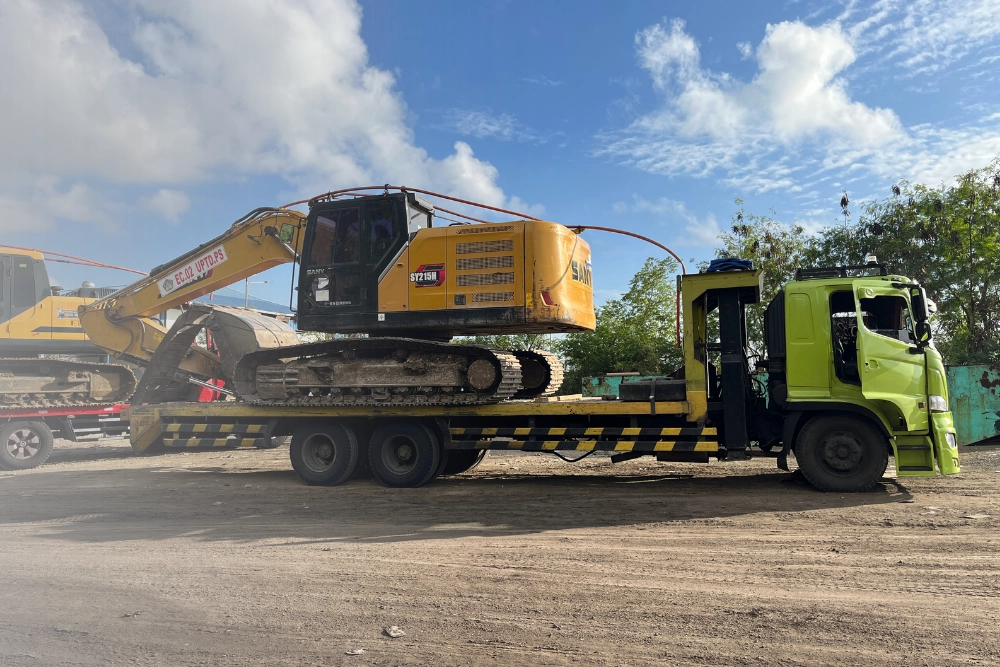
Not every shipment fits inside an enclosed trailer. Construction machinery, industrial equipment, steel beams, and other large freight often require a different transportation approach. Flatbed trucking provides the open-deck space and loading flexibility needed to transport cargo that may be too large, heavy, or irregularly shaped for conventional trailers.
For businesses coordinating heavy or oversized shipments, understanding how flatbed transportation works can help prevent loading complications, unexpected delays, and equipment mismatches.
Our full truckload shipping services include flatbed, step-deck, and specialized equipment options designed to accommodate different freight transportation requirements.
What Is Flatbed Trucking?
Flatbed trucking is a freight transportation method that uses trailers with open decks rather than enclosed cargo compartments. This design allows freight to be loaded from the top, sides, or rear, depending on the equipment and loading conditions.
Unlike standard dry van trailers, flatbeds accommodate cargo that cannot easily pass through a trailer door or fit within an enclosed space.
Flatbed shipping is commonly used for construction materials, manufacturing equipment, industrial machinery, and other freight requiring specialized loading or securement.
However, not every heavy shipment requires a flatbed, and not every oversized load can travel on a standard flatbed trailer. The appropriate equipment depends on the shipment's dimensions, weight, configuration, and transportation requirements.
What Types of Freight Are Transported on Flatbed Trailers?
Flatbed trailers accommodate many types of commercial and industrial cargo.
Construction Materials
Building materials frequently require open-deck transportation because of their length, dimensions, or loading requirements.
Examples include:
- Steel beams and structural components
- Lumber and bundled building materials
- Concrete pipes and precast sections
- Roofing materials and construction supplies
Heavy Machinery and Industrial Equipment
Heavy equipment transportation may involve machinery that cannot fit inside a conventional enclosed trailer.
Common examples include:
- Excavators and construction machinery
- Agricultural equipment
- Manufacturing machinery
- Industrial generators
- Large mechanical components
Depending on the equipment's weight and height, a step-deck or lowboy trailer may be more appropriate than a standard flatbed.
Oversized and Irregularly Shaped Freight
Some shipments exceed standard legal size limits or have shapes that make enclosed transportation impractical.
Examples include large tanks, prefabricated structures, oversized equipment components, and long industrial materials.
Oversized freight shipping requires careful evaluation because permits, route restrictions, and additional transportation arrangements may apply.
Common Types of Flatbed Trailers
Different trailer configurations are designed for different freight requirements.
Standard Flatbed Trailers
Standard flatbeds feature a level, open deck and are commonly used for construction materials, machinery, and general industrial freight.
They provide flexibility for side and overhead loading.
Step-Deck Trailers
Step-deck trailers, also called drop-deck trailers, have an upper deck and a lower deck.
The lower section provides additional vertical clearance for taller cargo, making these trailers useful when a standard flatbed would create height limitations.
Lowboy Trailers
Lowboy trailers have decks positioned closer to the ground and are commonly used for tall or heavy machinery.
Their lower deck height can help accommodate equipment that would otherwise exceed standard height restrictions.
Extendable Flatbed Trailers
Extendable trailers accommodate particularly long freight, such as structural beams or industrial components.
Their adjustable deck length helps support loads that exceed the dimensions of conventional flatbed equipment.
Selecting the correct trailer requires more than identifying the general cargo category. Shipment measurements, weight distribution, loading methods, and applicable regulations all influence the decision.
Benefits of Flatbed Trucking for Heavy Freight
Flexible Loading and Unloading
Open-deck trailers allow freight to be loaded from multiple directions.
This flexibility can be particularly valuable when facilities use cranes, forklifts, or other specialized equipment.
Accommodation for Large Cargo
Flatbed transportation supports shipments that may be unsuitable for enclosed trailers because of their dimensions or configuration.
Specialized trailer options can provide additional flexibility for particularly tall, long, or heavy loads.
Transportation for Multiple Industries
Flatbed freight is used across construction, manufacturing, agriculture, energy, and other industries that move substantial equipment or materials.
Businesses evaluating different freight transportation methods may also benefit from understanding how different industries use intermodal transportation, particularly when comparing specialized trucking requirements with planned long-distance freight movements.
Specialized Load Securement
Flatbed freight can be secured using chains, straps, binders, and other appropriate equipment.
The securement method must match the cargo's characteristics and comply with applicable transportation safety regulations.
Flatbed Load Securement and Safety Considerations
Proper load securement is one of the most important aspects of flatbed trucking.
Because freight is transported on an open deck, cargo must be secured against movement during normal transportation conditions.
In the United States, commercial cargo securement is governed by applicable Federal Motor Carrier Safety Administration regulations, including requirements under 49 CFR Part 393.
Important considerations include:
- Cargo weight and distribution: Weight must be distributed appropriately across the trailer and axles.
- Tie-down requirements: The number, placement, and working load limits of securement devices must meet applicable requirements.
- Equipment condition: Chains, straps, and other securement components must be suitable for the cargo and in serviceable condition.
- Cargo protection: Tarps or other protective coverings may be necessary for materials sensitive to weather exposure.
- Inspection requirements: Drivers must follow applicable cargo inspection and securement procedures.
Certain commodities, including heavy vehicles, machinery, and structural materials, may be subject to additional cargo-specific securement rules.
When Does Oversized Load Trucking Require Permits?
An oversized load generally requires additional authorization when its dimensions or weight exceed the legal limits applicable to the route.
Permit requirements depend on factors such as:
- Total shipment width
- Overall vehicle and load height
- Combined vehicle and cargo weight
- Axle configuration and weight distribution
- Shipment length
- State and local transportation restrictions
For interstate shipments, requirements may vary as the freight crosses different jurisdictions.
Some movements also require route surveys, escort vehicles, travel-time restrictions, or other special arrangements.
Businesses should confirm applicable requirements before scheduling transportation rather than assuming a permit issued in one state applies throughout the entire route.
How to Prepare Heavy or Oversized Freight for Shipping
Accurate shipment information helps carriers identify appropriate equipment and plan transportation.
1. Confirm Freight Dimensions and Weight
Record the cargo's length, width, height, and weight.
Measurements should reflect the actual shipping configuration, including attached components or packaging.
2. Identify Loading and Unloading Requirements
Determine whether cranes, forklifts, ramps, or other equipment will be required at either location.
Confirm that both facilities can safely accommodate the selected trailer.
3. Review Cargo Protection Needs
Consider whether the freight requires tarping, protective wrapping, or special handling.
Some equipment may also require loose components to be removed or secured before transport.
4. Evaluate Route and Permit Requirements
Oversized shipments may encounter restrictions involving bridges, overhead clearances, road widths, or permitted travel periods.
These considerations should be reviewed before transportation begins.
5. Coordinate Scheduling and Delivery Details
Communicate pickup and delivery windows, facility access requirements, and any special unloading instructions.
For complex shipments, clear communication can help minimize avoidable delays.
When transportation requirements involve fixed project schedules or urgent equipment deliveries, understanding the differences between expedited and standard shipping can help businesses evaluate the appropriate transportation schedule.
Factors That Affect Flatbed Trucking Rates
Several operational factors influence the cost of flatbed transportation.
- Freight dimensions and weight: Larger or heavier shipments may require specialized trailers or additional handling.
- Transportation distance: Mileage, route conditions, and equipment availability can influence shipping costs.
- Trailer requirements: Standard flatbeds, step-decks, lowboys, and extendable trailers have different operating requirements.
- Permits and escorts: Oversized shipments may require permits, pilot vehicles, or additional route coordination.
- Loading and unloading: Specialized equipment, facility limitations, and extended loading times can affect transportation planning.
- Market conditions: Carrier capacity, seasonal demand, and regional freight activity may influence available transportation options.
Providing complete shipment details allows transportation providers to evaluate requirements more accurately.
Choosing the Right Freight Transportation Partner
Flatbed shipments often involve more coordination than standard enclosed freight.
Businesses should consider whether a transportation partner can help evaluate equipment requirements, coordinate appropriate carrier capacity, and communicate clearly throughout the shipping process.
At Logistics-Now, we bring more than 30 years of transportation experience and carrier-side pricing expertise to freight management. Our approach combines transportation knowledge, nationwide capacity, and data-driven decision-making to help businesses evaluate shipping options.
For organizations managing multiple transportation modes or recurring specialized shipments, our managed transportation services support carrier selection, shipment planning, transportation execution, and performance monitoring.
Plan Your Next Freight Shipment With Logistics-Now
Transporting heavy or oversized freight requires careful attention to equipment selection, load securement, and shipping logistics.
Businesses coordinating industrial equipment, construction materials, or other large shipments should evaluate transportation requirements before confirming equipment and delivery schedules.
For urgent freight associated with equipment downtime, construction deadlines, or critical operational requirements, our expedited freight shipping services provide additional transportation options when standard schedules cannot accommodate the required delivery timeline.
Our team can help businesses evaluate freight requirements and identify suitable transportation options across North America.
Contact Logistics-Now at 865-805-5463 to discuss your shipment requirements and available transportation solutions.
Frequently Asked Questions
What Is the Difference Between Flatbed Trucking and Dry Van Shipping?
Flatbed trucking uses open-deck trailers that allow loading from multiple directions. Dry van shipping uses enclosed trailers that protect cargo from direct weather exposure and are generally loaded through rear doors. The appropriate option depends on freight dimensions, handling requirements, and cargo protection needs.
How Much Weight Can a Flatbed Truck Carry?
A standard flatbed trailer commonly accommodates freight weighing approximately 48,000 pounds, although actual legal capacity varies according to tractor-trailer configuration, axle weights, equipment specifications, and applicable regulations. Specialized equipment may be required for heavier loads.
Do All Flatbed Shipments Require Permits?
No. Flatbed shipments that remain within applicable legal weight and dimension limits generally do not require oversize or overweight permits. Loads exceeding those limits may require authorization from the relevant jurisdictions.
Does Flatbed Freight Need to Be Covered?
Not always. Some cargo can travel exposed to weather, while other materials require tarps or protective coverings. Protection requirements depend on the shipment's characteristics and customer specifications.
Can Flatbed Trailers Transport Heavy Machinery?
Yes. Flatbed trailers commonly transport machinery and industrial equipment. However, taller or heavier machines may require specialized trailers, such as step-decks or lowboys, depending on their dimensions and weight.
Send Us a Message
Fill out the form below and we'll get back to you promptly.